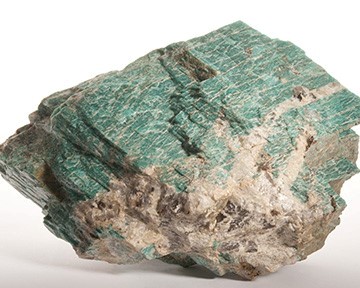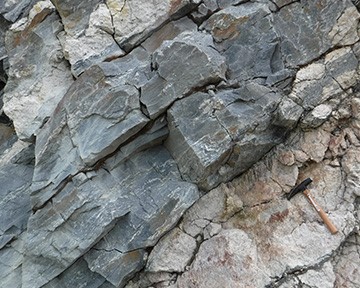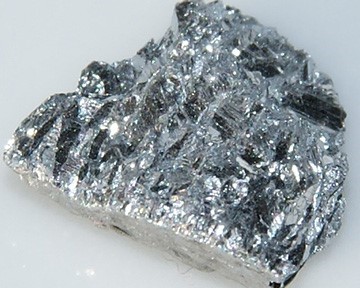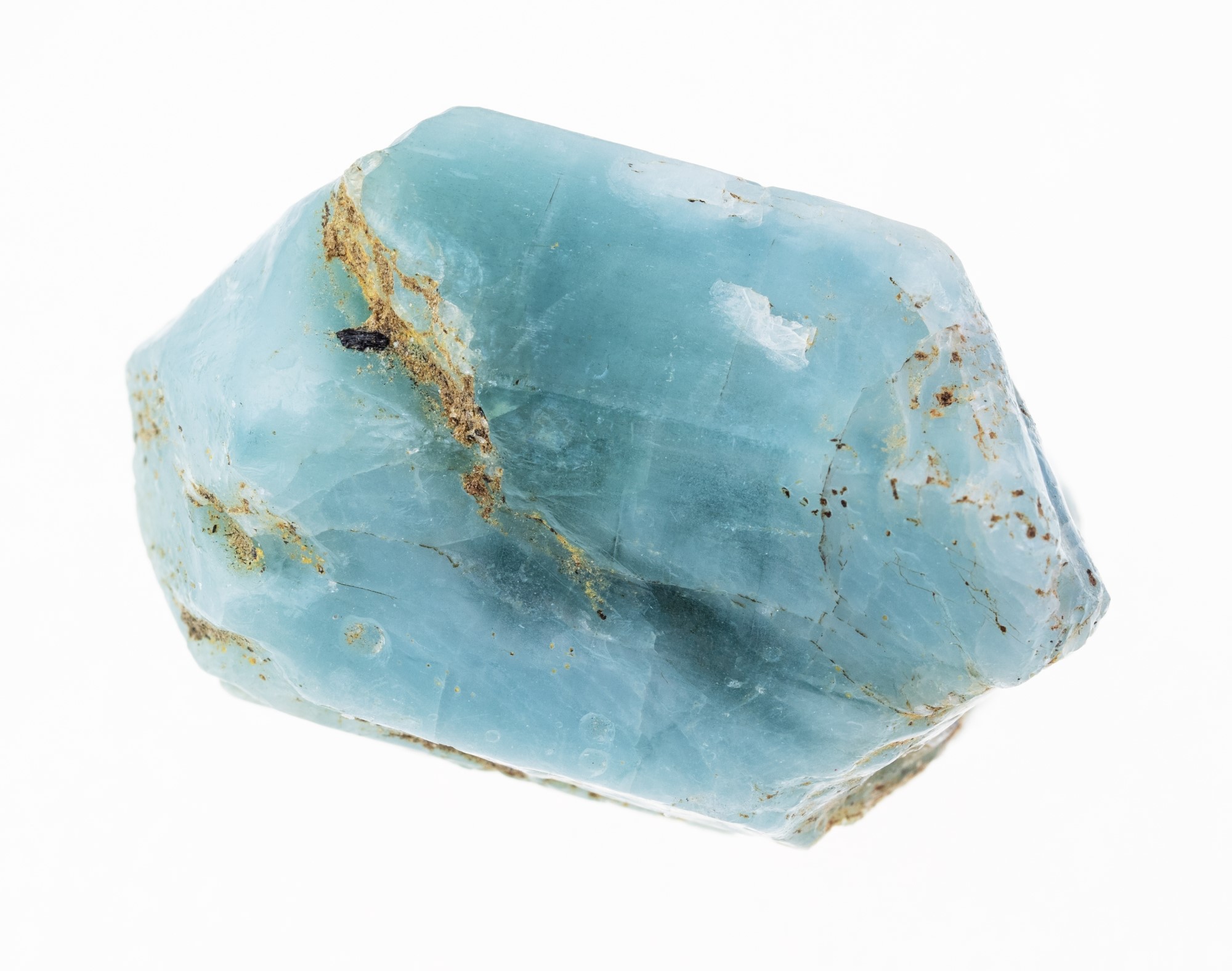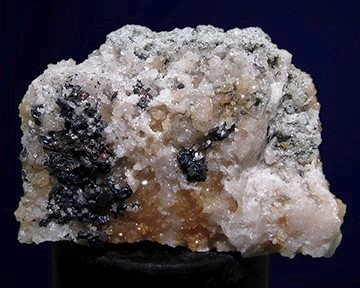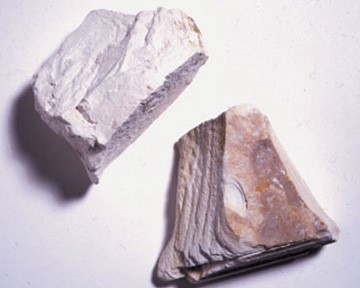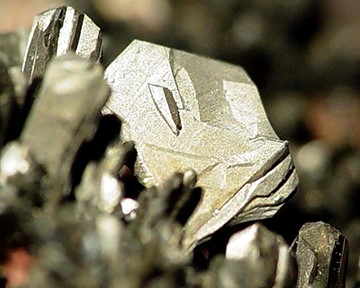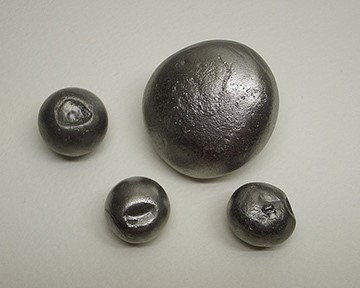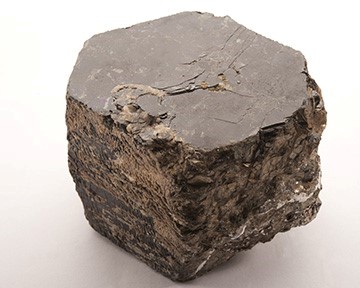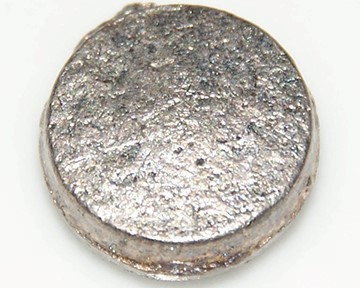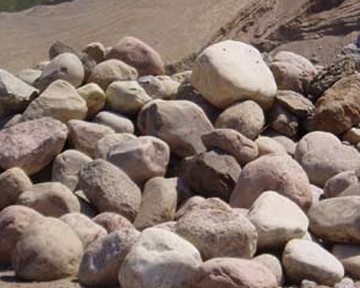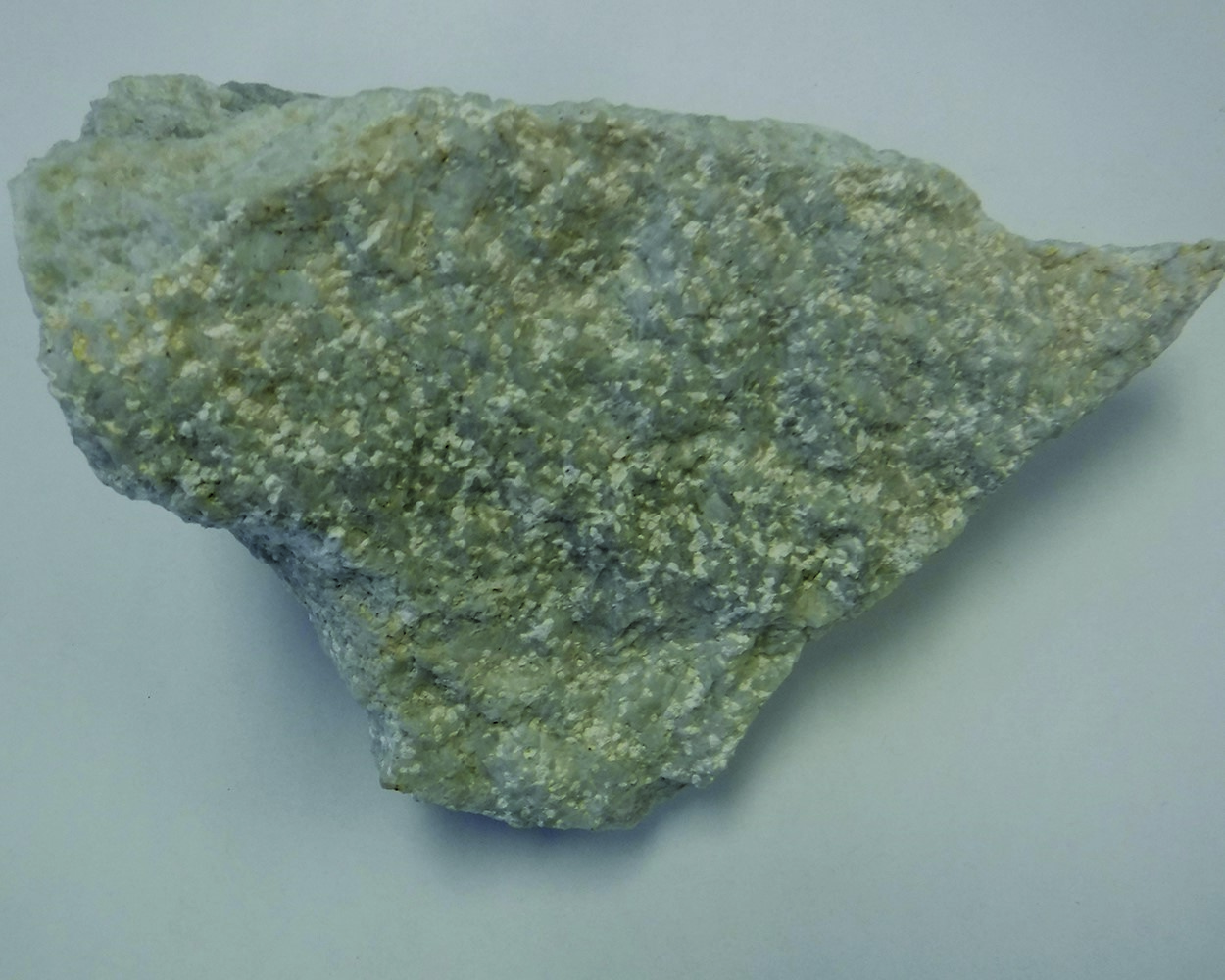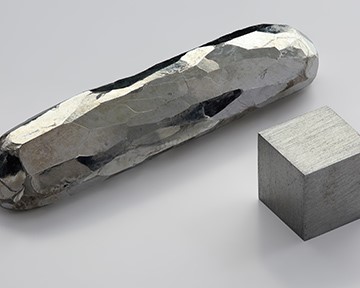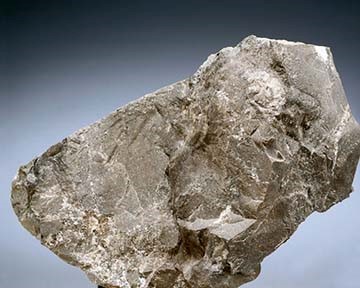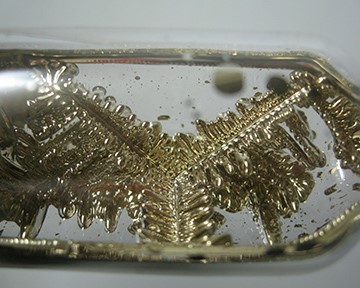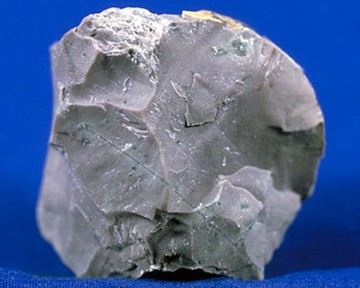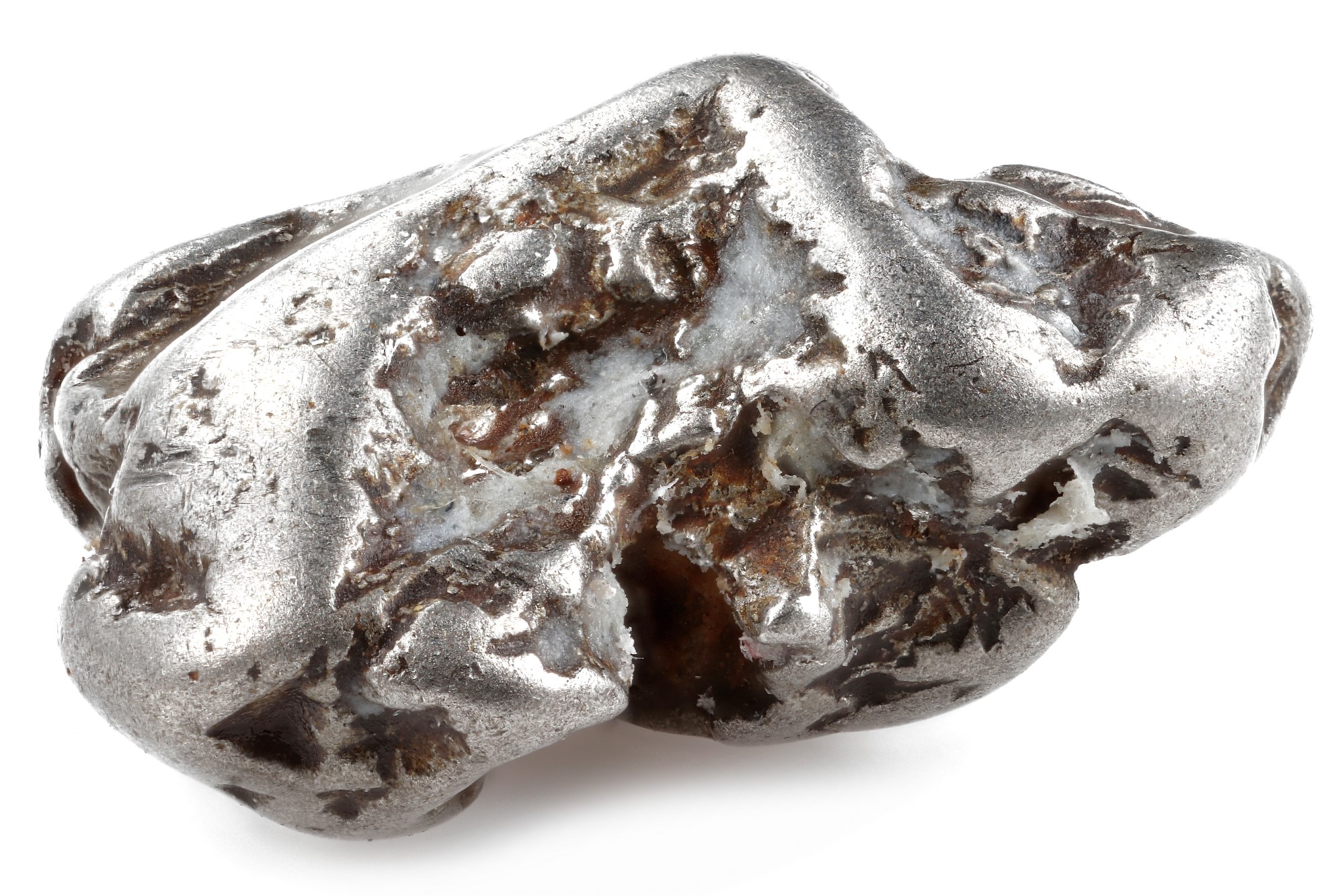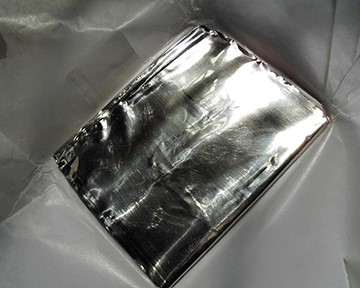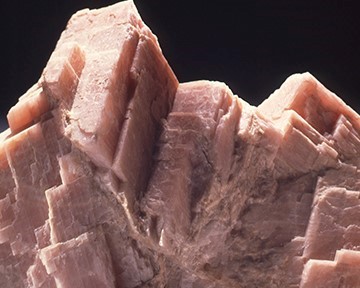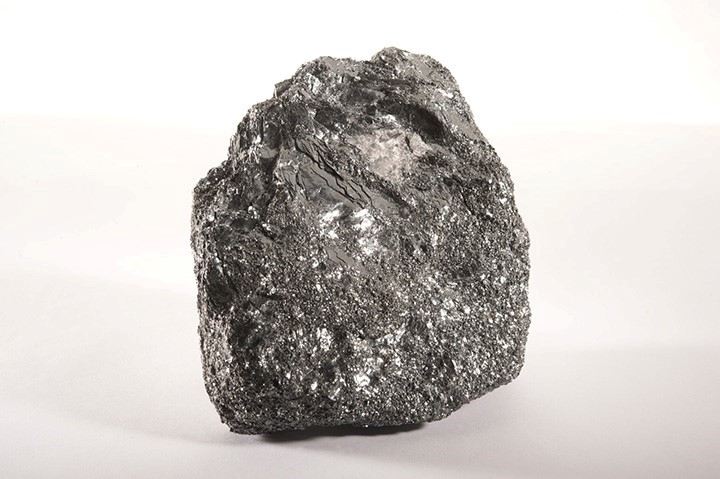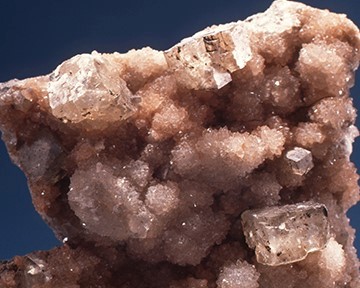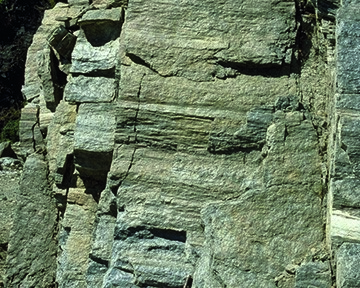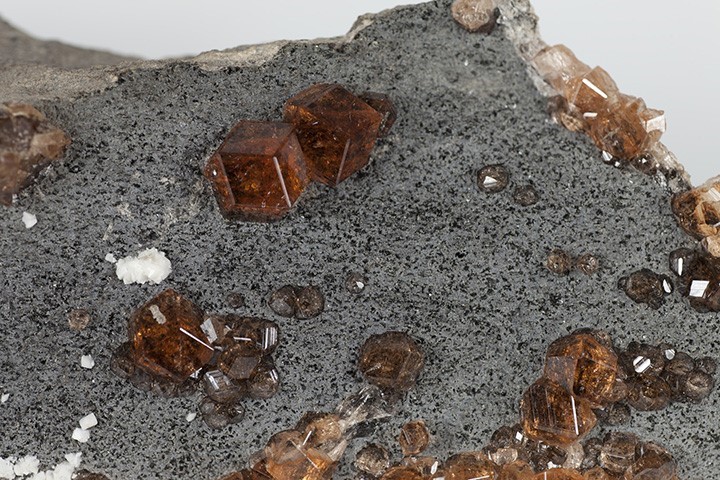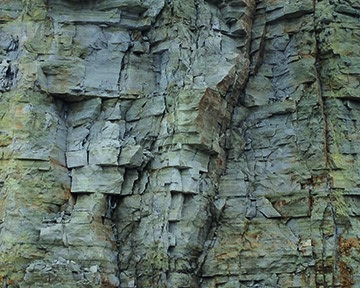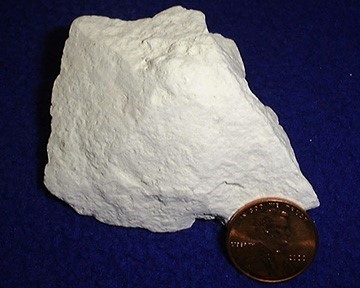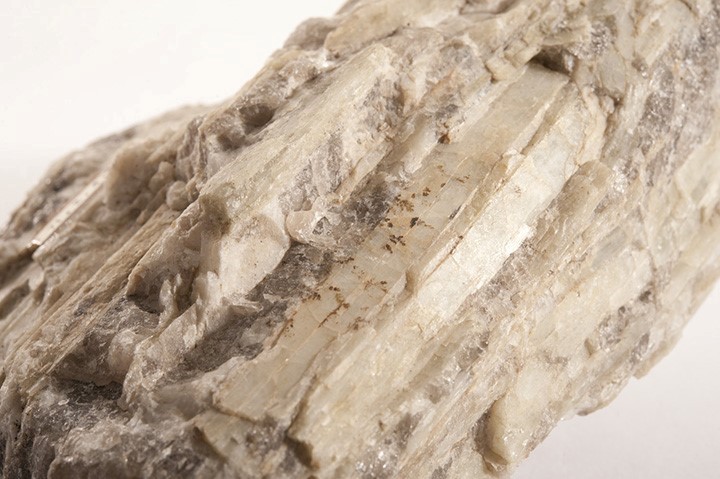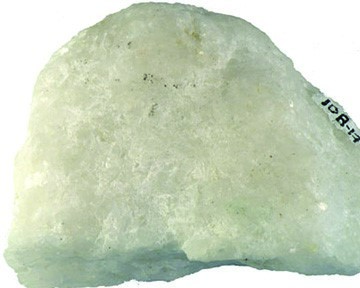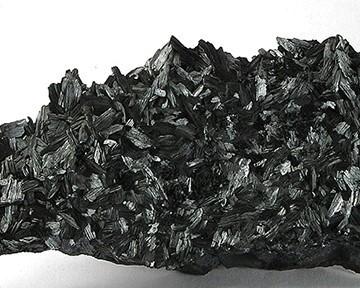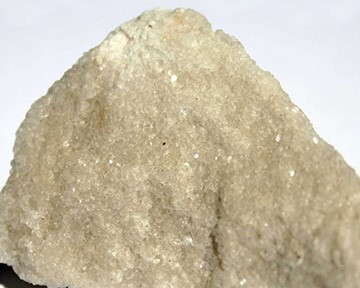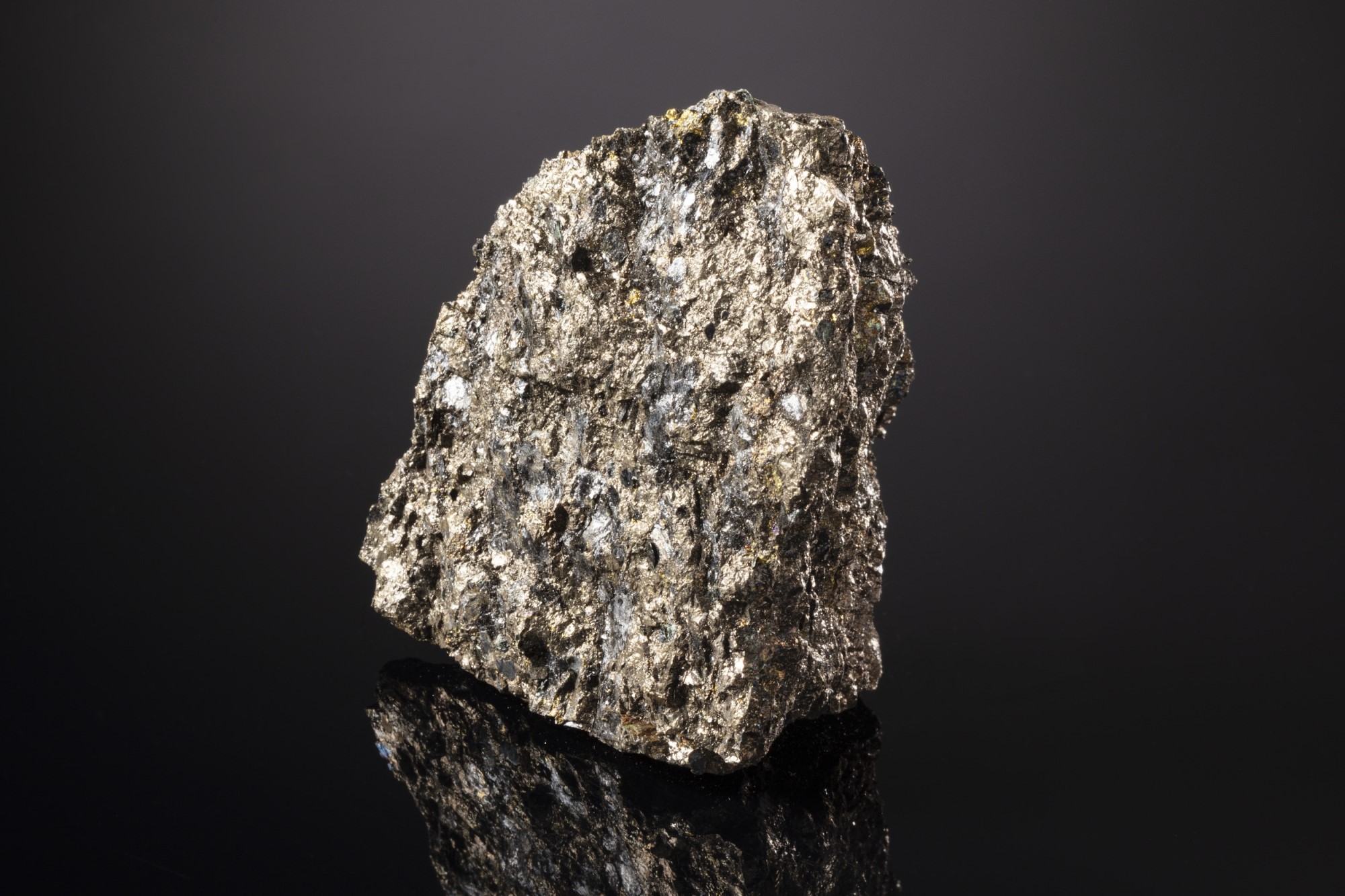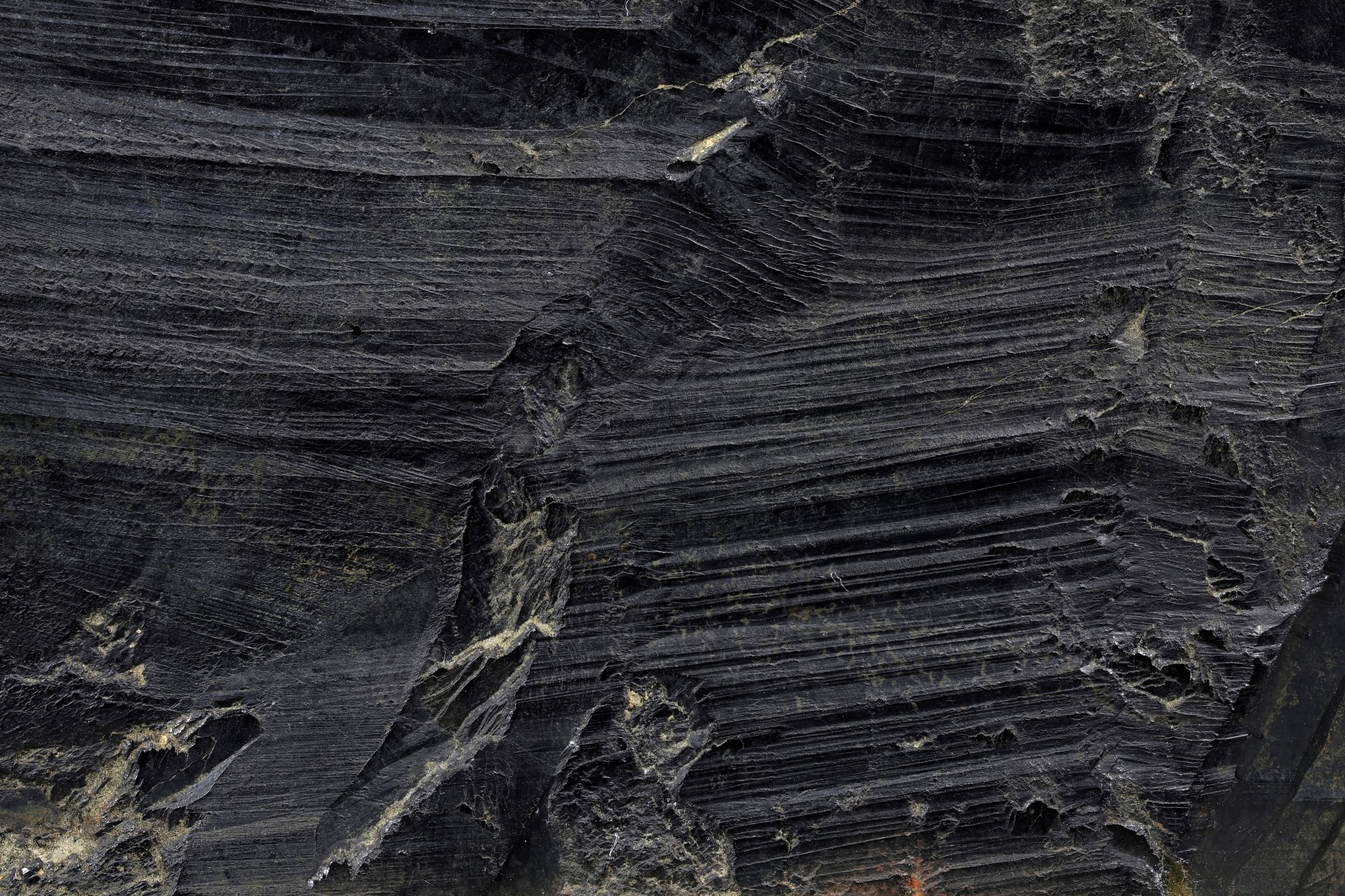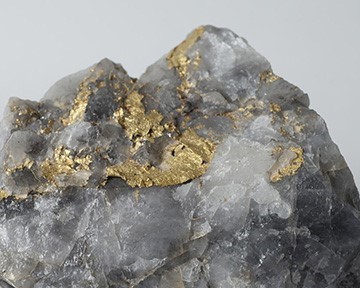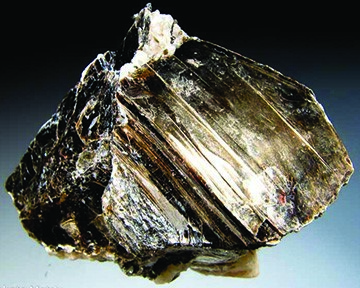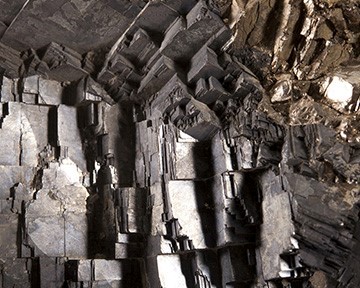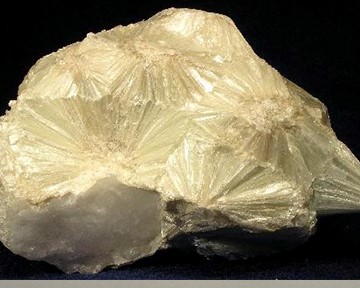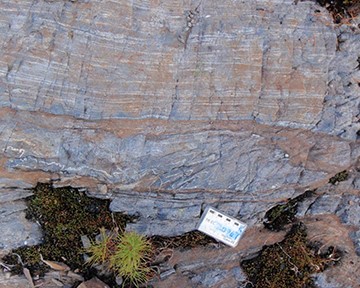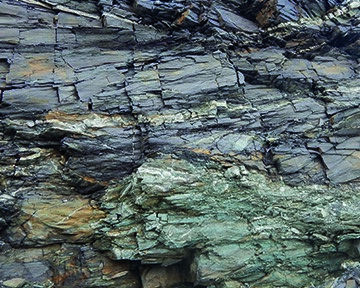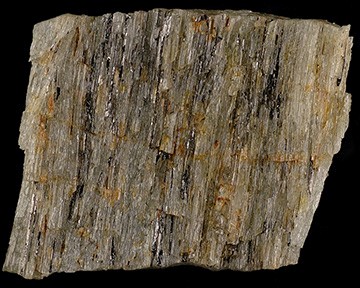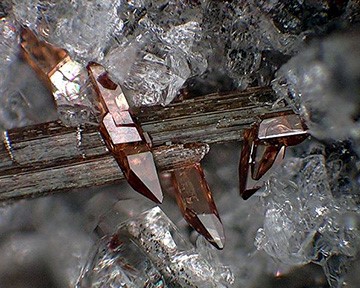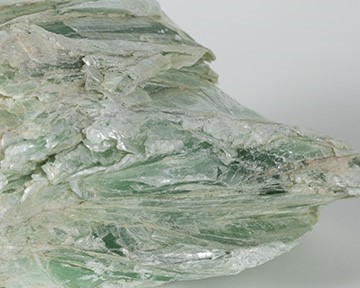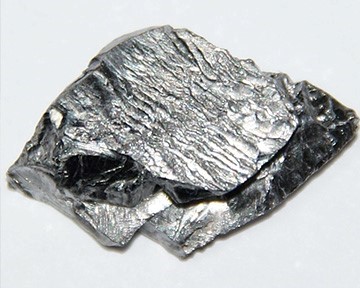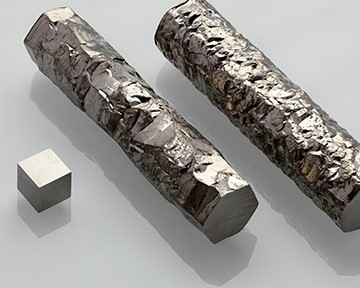
Apatite (AP)
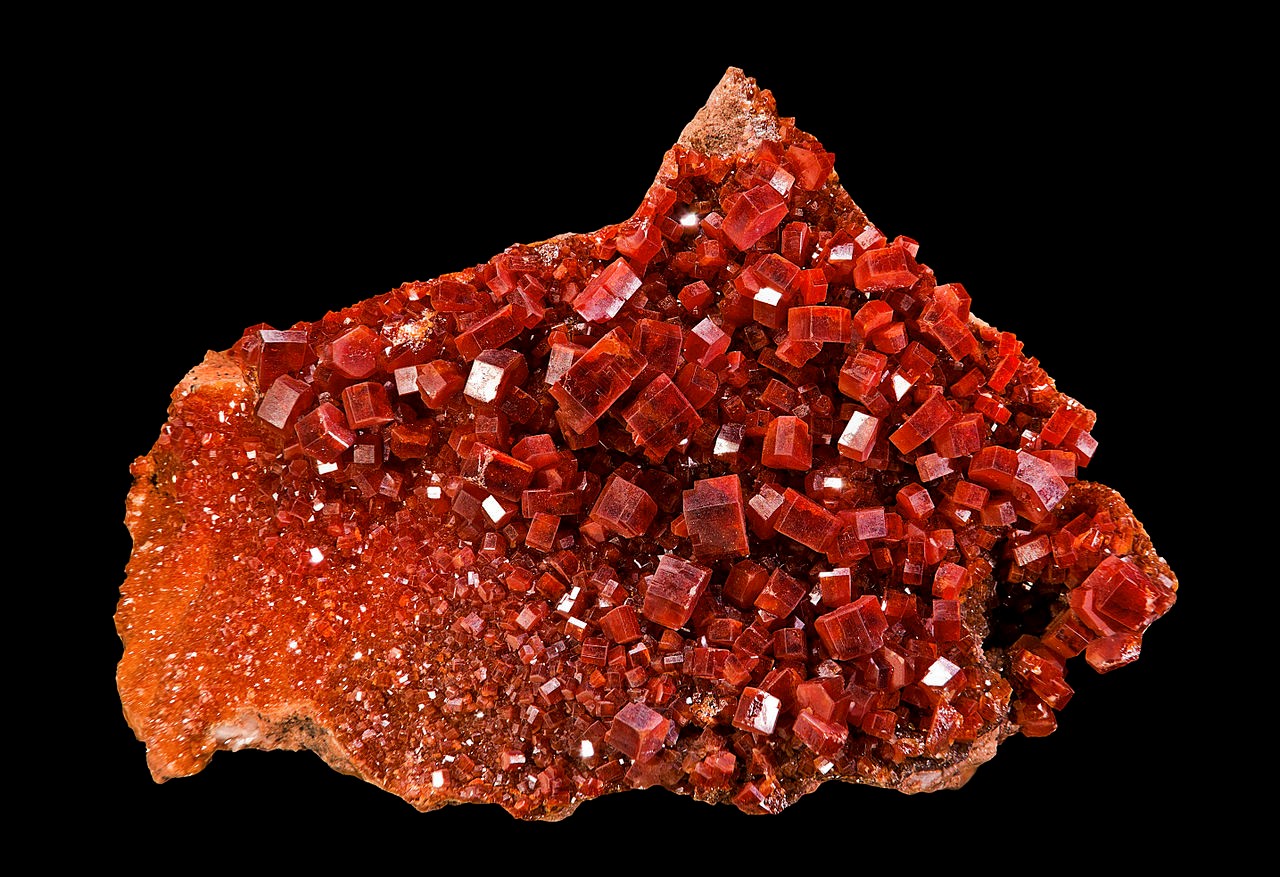
Apatite forms a group of phosphate minerals. It is usually green, but this mineral can also take on a wide variety of colours.
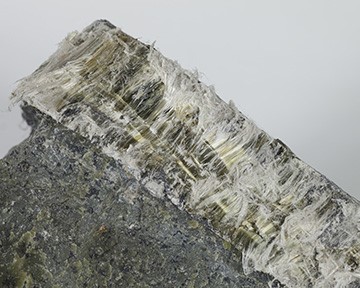
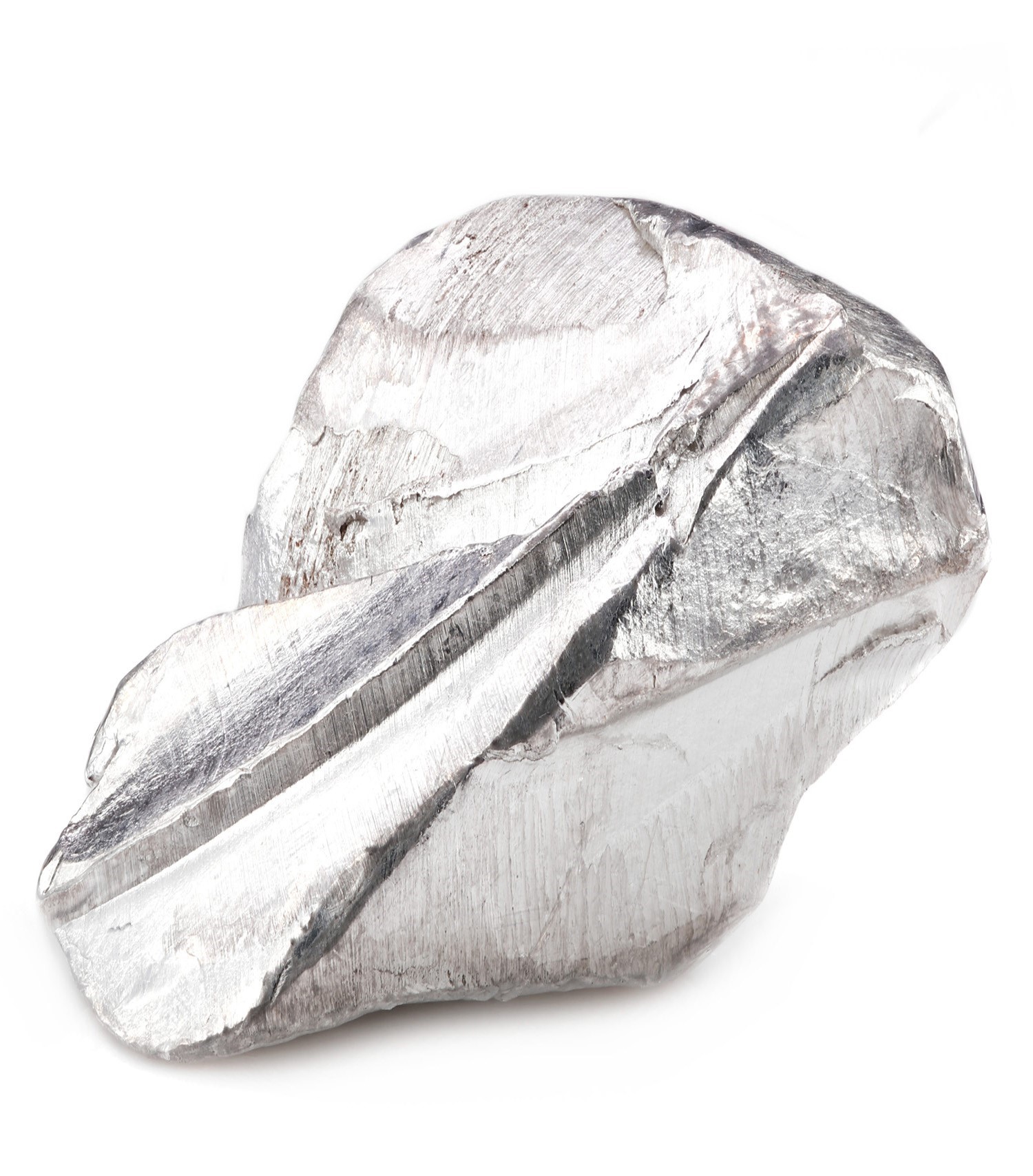
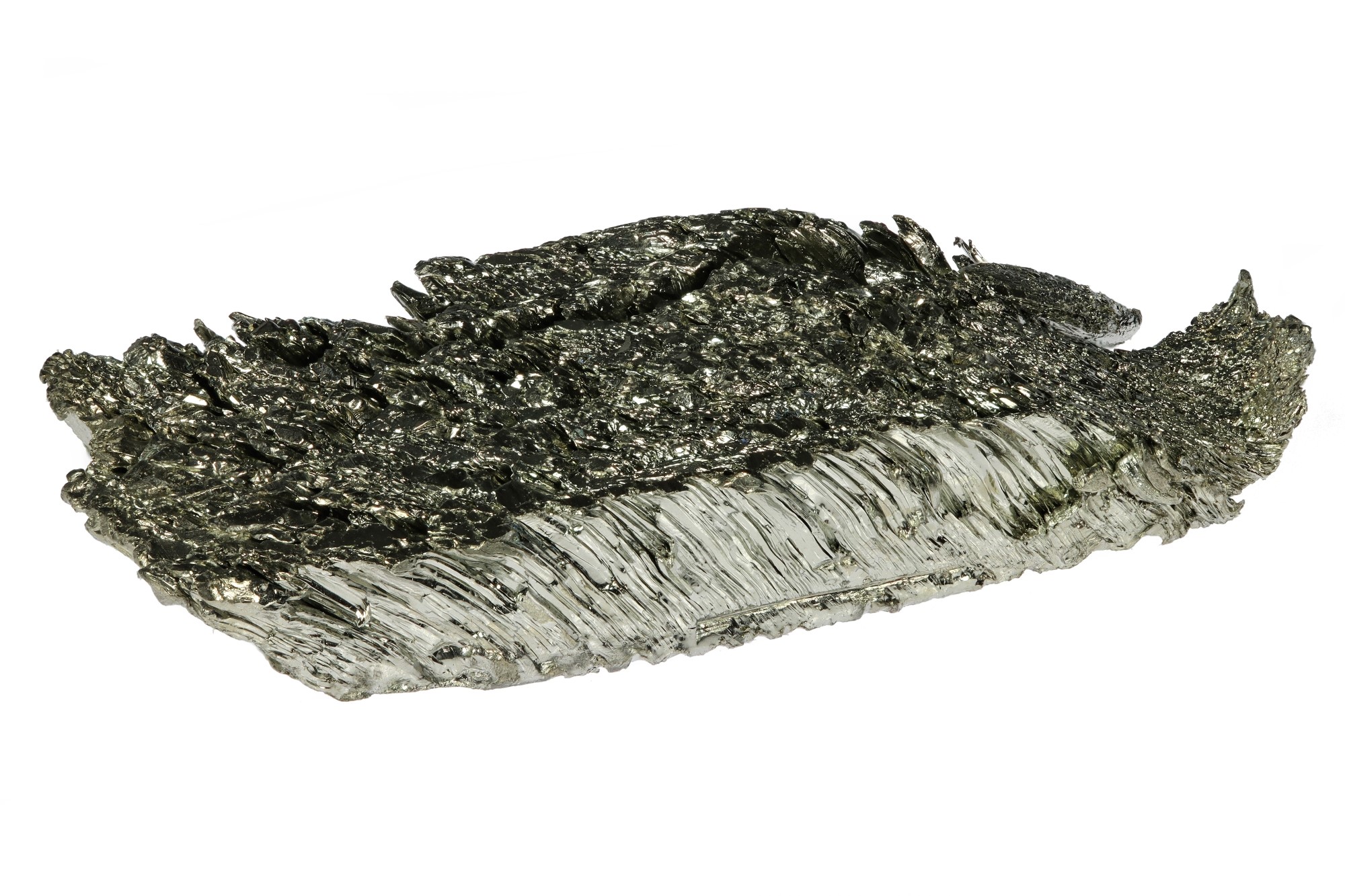
Arsenic (As)
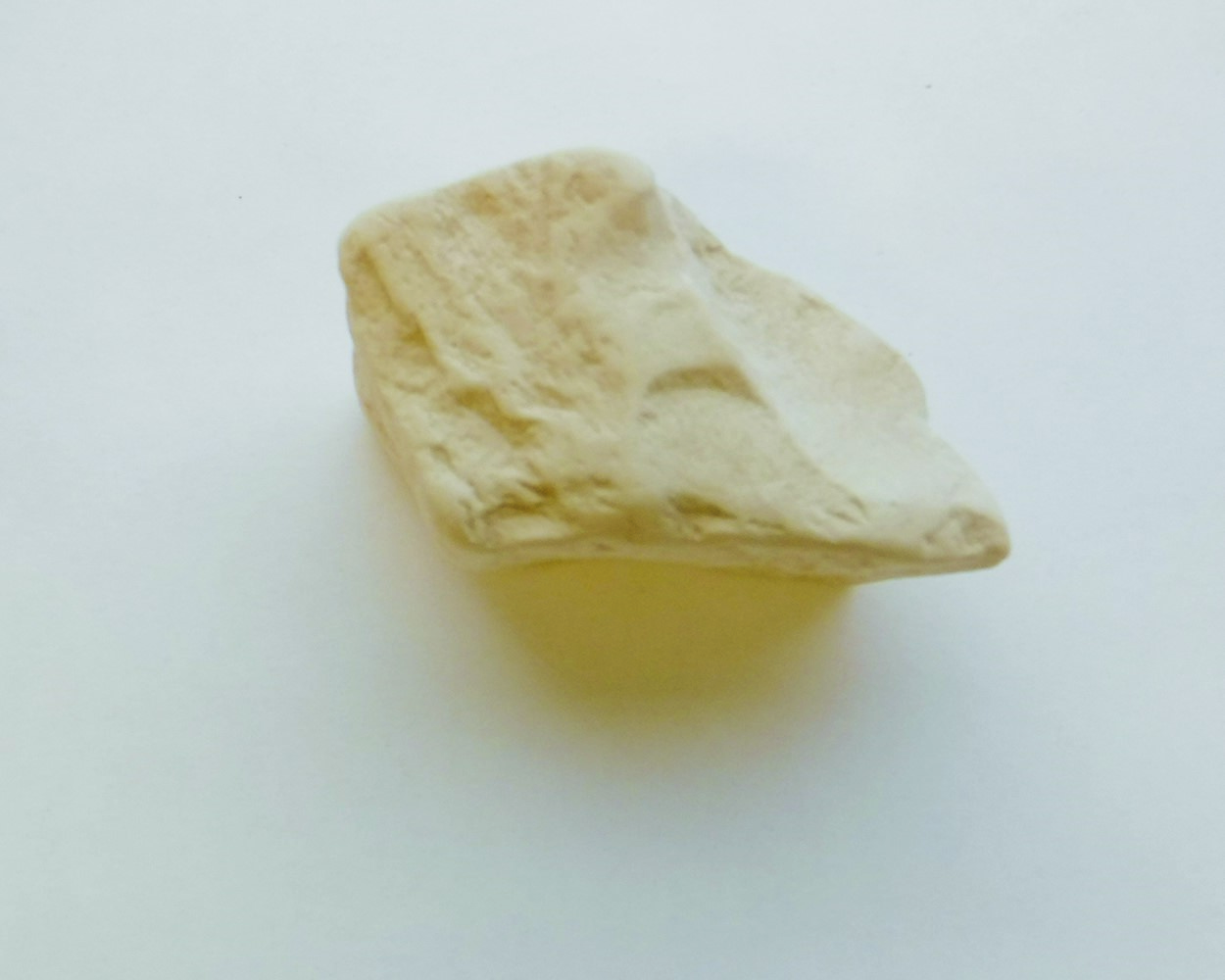
Arsenic occurs in its native state or, more commonly, as iron, nickel or cobalt arsenides and sulfoarsenides. Arsenic is generally associated with antimony and precious metals such as gold and silver.
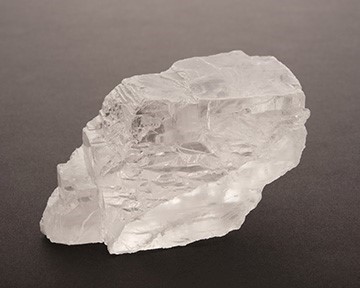
Barite (BR)
Barite, a barium sulfate, is a colourless, white or slightly tinted mineral due to the presence of iron oxides. It is characterized by high density.
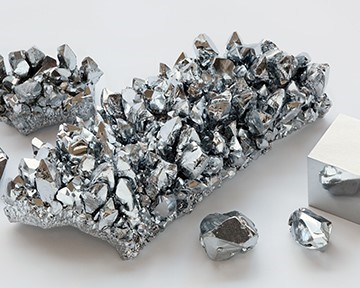
Chromium (Cr)
Chromium is a fairly abundant transition metal. Chromite is a commun accessory mineral in mafic and ultramafic igneous rocks. Locally, elevated concentrations of chromite (chromitite) can be observed in these rocks and in their altered or metamorphosed conterparts (dunite, peridotie, serpentinite).
Cobalt (Co)
Cobalt occurs as arsenides, sulfoarsenides, sulfides and oxides. The main cobalt minerals are smaltite and cobaltite.
Copper (Cu)
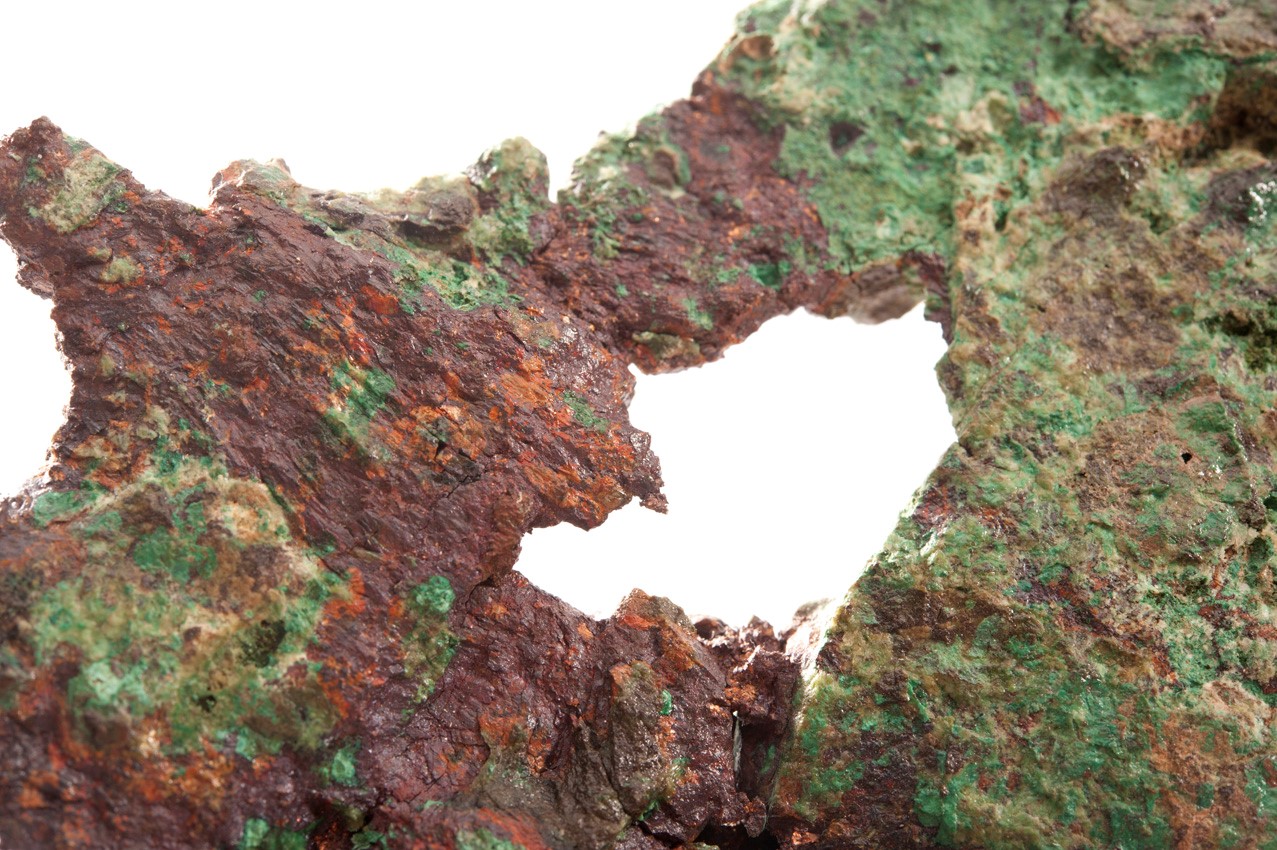
Copper occurs in native form or more commonly as sulphides (chalcopyrite, bornite, covellite, etc.).
Platinum Group Elements (PGEs)
Platinum Group Elements (PGEs) include elements related to platinum (Pt) including palladium (Pd), rhodium (Rh), ruthenium (Ru), iridium (Ir) and osmium (Os). They are generally associated with magmatic copper-nickel or chromium mineralization.
Platinum (Pt) Palladium (Pd) Rhodium (Rh) Ruthenium (Ru) Iridium (Ir) Osmium (Os)
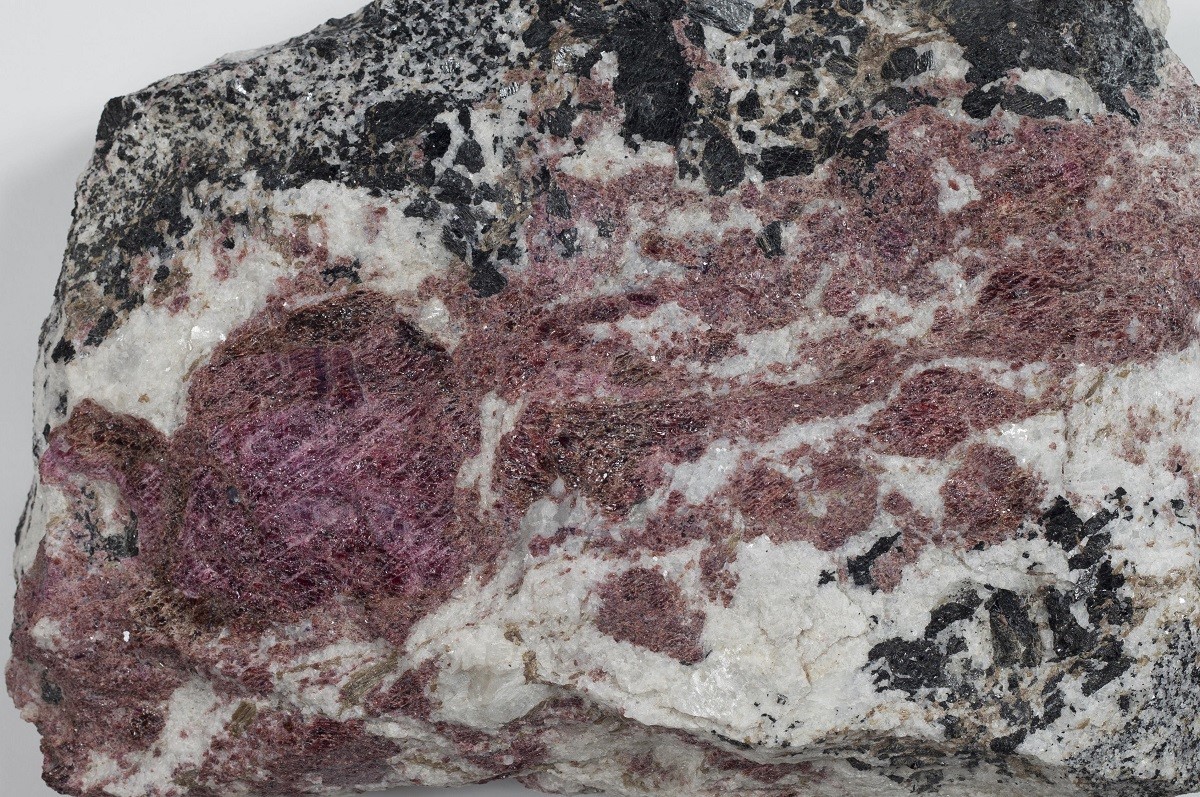
Rare earth elements (REEs)
Rare earth elements are a group of metals comprising the fifteen lanthanides plus scandium and yttrium. In elemental form, REEs have a metallic appearance and are fairly soft, malleable and ductile. Mineralization is associated with intrusive magmatic rocks (carbonatite, alkaline or hyperalkaline rocks), metasomatic rocks or placer deposits.
Cerium (Ce) Lanthanum (La) Neodymium (Nd) Praseodymium (Pr)Samarium (Sm) Europium Ytterbium
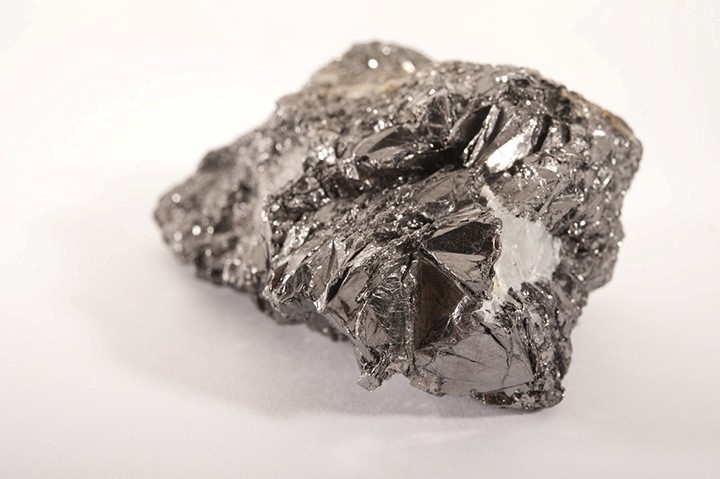
Graphite (GP)
Graphite represents the low-temperature and low-pressure phase of carbon. It forms compact lamellar masses or irregular flakes disseminated in the rock.
Indium (In)
Indium is co-produced by the metallurgy associated with zinc.
Lithium (Li)
Lithium is a soft, silver-grey metal that tarnishes and oxidizes very quickly in contact with air and water. It is the lightest solid element. It is extracted from brines or certain silicates (spodumene) present in granitic pegmatites.
Magnesium (Mg)
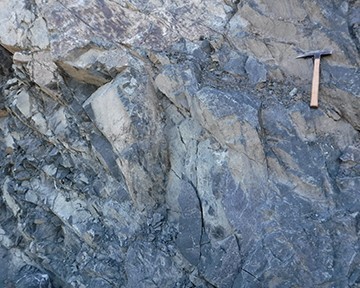
Magnesium is a very light, alkaline earth metal. It is the eighth most abundant element in the universe.
Nickel (Ni)
Nickel is a dense silvery-white, shiny, malleable and ductile metal. Harder and tougher than iron, it is commonly associated with cobalt and copper in mineralized zones.
Niobium (Nb)
Niobium is a rare, relatively soft and ductile grey transition metal. Niobium minerals occur mostly as oxides in carbonatites and granitic pegmatites.
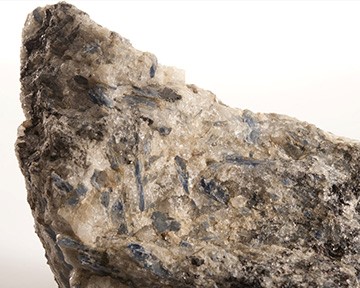
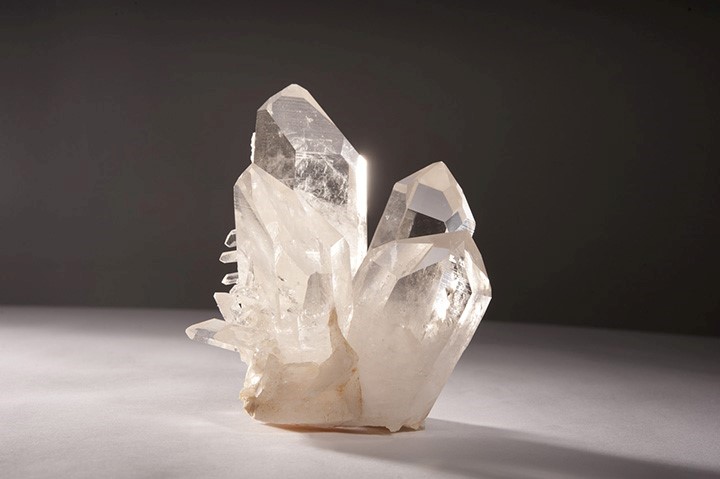
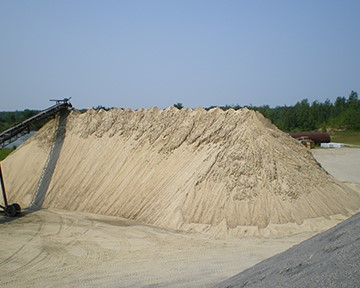
Quartz (Silica) (QZ)
Quartz is composed only of silica (SiO2). It is an important mineral of granite, granitic metamorphic rocks (gneiss, quartzite) and sedimentary rocks (sandstone).
Scandium (Sc)
Scandium is a soft transition metal with a silvery white appearance. Scandium is found in a few rare minerals. It is classified with yttrium and the lanthanides as a rare earth element because of similar chemical properties.
Titanium (Ti)
Titanium occurs in several minerals such as anatase, brookite, ilmenite, leucoxene, perovskite, rutile, sphene (titanite) and titanomagnetite. It occurs mainly in mafic magmatic rocks and placer deposits.